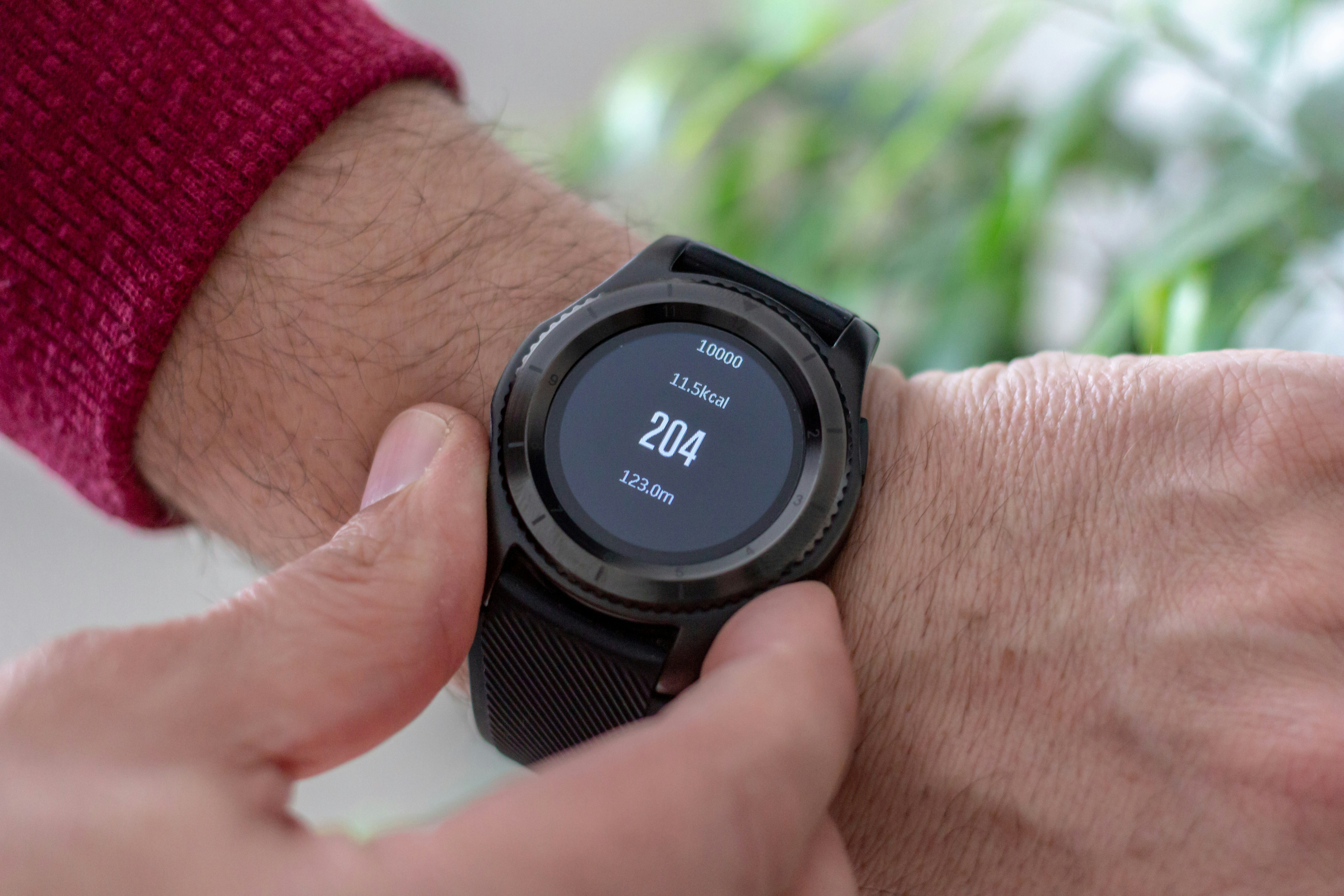
Introduction to Smartwatches
Smartwatches have emerged as a significant advancement in personal technology, evolving from traditional timepieces into sophisticated multifunctional devices. Initially, watches served a basic purpose: to tell time. However, the advent of digital technology and connectivity has transformed watches into smart devices equipped with a plethora of features designed to enhance daily life.
The integration of smartwatches with smartphones has been a pivotal factor in their evolution. These modern devices synchronize seamlessly with mobile phones, allowing users to receive notifications, track fitness metrics, and manage various applications directly from their wrists. This connection simplifies communications and helps users stay updated without the need to constantly check their phones.
Smartwatches also incorporate a range of functionalities that cater to diverse user needs. Health and fitness tracking features are prominent, with monitoring capabilities for heart rate, sleep patterns, and physical activity. These features empower users to maintain a healthier lifestyle through data-driven insights. Furthermore, many smartwatches support GPS navigation, music playback, and contactless payment options, showcasing their versatility and efficiency.
As technology continues to advance, smartwatches are becoming increasingly sophisticated, incorporating artificial intelligence and voice-activated controls for enhanced user experience. The fusion of style and functionality has also led to the creation of various designs, appealing to a wide array of personal tastes. Consequently, smartwatches are not merely gadgets but are becoming essential tools for modern living.
In this guide, we will explore the features, benefits, and recommendations surrounding smartwatches, delving into how they have revolutionized personal technology and lifestyle management.
Key Features of Smartwatches
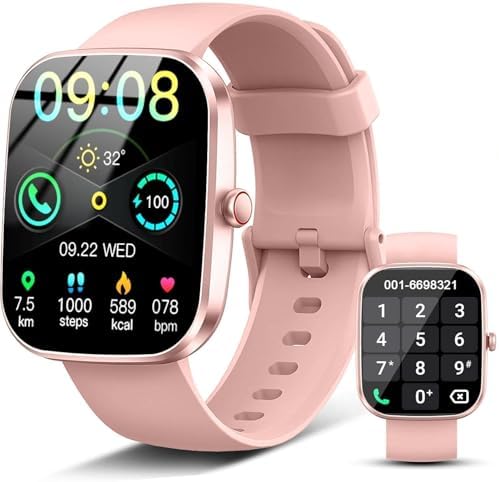
Smartwatches have quickly transformed into indispensable devices for many individuals, incorporating a variety of features that enhance convenience, health monitoring, and connectivity. One of the most prominent features of modern smartwatches is fitness tracking, which allows users to monitor their physical activities, including steps taken, distance traveled, and calories burned. Brands like Fitbit and Garmin excel in this area, offering detailed analytics and personalized coaching through their smartwatches that cater to fitness enthusiasts of all levels.
Another essential feature is notifications, which enable users to stay connected without needing to reach for their smartphones. Incoming calls, messages, and app alerts are readily accessible, thereby assisting in effective time management. Apple Watch and Samsung Galaxy Watch are examples of brands that have seamlessly integrated this functionality, allowing for smooth interaction while on the go.
GPS integration is yet another critical aspect of smartwatches, especially for outdoor activities such as running and cycling. A smartwatch equipped with GPS can track a user’s location and provide precise route information without requiring a smartphone. The most reliable brands, such as Suunto and Polar, have developed smartwatches that utilize this feature to deliver accurate tracking results.
Heart rate monitoring is also a vital feature, essential for individuals who want to maintain their health and fitness levels. Most modern smartwatches include sensors that continuously measure heart rate, offering insights into overall cardiovascular health. Brands like Xiaomi and WHOOP have advanced this feature to enhance user experience by providing comprehensive health analytics.
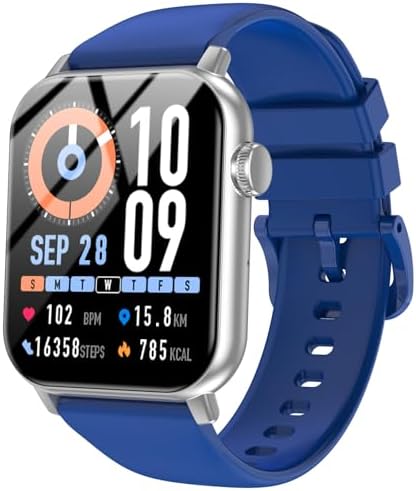
Finally, customizable watch faces provide users with the option to personalize their devices according to their style and preferences. This not only adds aesthetic value but also enhances functionality by enabling quick access to vital data at a glance. Various brands, including Fossil and Huawei, support extensive customization options, allowing users to select watch faces that reflect their personality.
Health and Fitness Benefits
Smartwatches have revolutionized the way individuals approach their health and fitness goals. Incorporating advanced technology into a compact device, these wearables provide a plethora of tracking features that offer significant insights into user health. One of the primary benefits of smartwatches is their ability to monitor exercise. Many models feature built-in GPS and accelerometers, allowing users to track their workouts precisely. Whether running, cycling, or engaging in other physical activities, a smartwatch records the duration, distance, and calories burned, enabling users to set achievable fitness targets.
In addition to exercise tracking, smartwatches are capable of monitoring sleep patterns. Sleep is a crucial element of overall well-being, and smartwatches can assess the duration and quality of sleep. By gathering data on sleep stages and disturbances, these devices provide valuable insights that allow users to identify patterns and make necessary adjustments for better rest. Research conducted by the American Sleep Association indicates that wearable sleep trackers, including smartwatches, can significantly enhance users’ understanding of their sleep habits, leading to improved sleep quality.
Moreover, smartwatches offer vital health alerts that can remind users to stay active or notify them of irregular health patterns. These alerts include notifications for elevated heart rates, encouraging users to engage in physical activity if they have been sedentary for too long. Some studies highlight how such reminders can lead to a decrease in sedentary behavior and ultimately promote a healthier lifestyle. For instance, a study published in the Journal of Medical Internet Research reported that participants who used fitness tracking devices, including smartwatches, showed greater increases in physical activity levels compared to those who did not use such technology.
In summary, the integration of health and fitness tracking capabilities in smartwatches not only facilitates users in achieving their fitness goals but also empowers them to monitor and enhance their overall health. Through features such as exercise monitoring, sleep tracking, and health alerts, smartwatches have proven to be an invaluable tool for health-conscious individuals seeking to improve their quality of life.
Connectivity and Compatibility
Smartwatches have emerged as essential companions to smartphones, offering various connectivity options that enhance user convenience and functionality. The most common connectivity features available in smartwatches include Bluetooth, Wi-Fi, and cellular capabilities.
Bluetooth connectivity is the primary means through which smartwatches connect to smartphones. This wireless technology allows smartwatches to communicate seamlessly with compatible devices, enabling users to receive notifications, control music playback, and answer calls directly from their wrist. The majority of smartwatches support Bluetooth 5.0 or higher, delivering enhanced range and speed, which improves overall user experience.
In addition to Bluetooth, many modern smartwatches are equipped with Wi-Fi capabilities. This feature allows users to connect to the internet independently of their smartphones. With Wi-Fi connectivity, users can send messages, sync data, and even download apps without needing to be within Bluetooth range of their phones. This makes it particularly useful for activities such as working out, where carrying a smartphone may not be practical.
Cellular capabilities set some smartwatches apart from their counterparts, offering users the ability to make calls and send texts without needing a connected smartphone. Smartwatches equipped with LTE (Long-Term Evolution) can function independently, providing enhanced flexibility for users who prefer to keep their phones in their pockets or bags during workouts or outdoor activities.
Compatibility is another crucial aspect when selecting a smartwatch, as most devices are designed to work specifically with either Apple iOS or Android operating systems. For seamless integration and functionality, users should verify that the smartwatch they choose is compatible with their smartphone’s operating system. Apple and Android smartwatches offer a range of unique features tailored to their respective ecosystems, ensuring a cohesive experience.

Battery Life and Charging Options
Battery life is a crucial aspect of any smartwatch, as it directly impacts the user experience. Smartwatches come equipped with various battery capacities, and their longevity can significantly vary depending on usage patterns and features enabled. Typically, battery life ranges anywhere from one day to a week on a single charge, strongly influenced by factors such as display brightness, connectivity features, and usage frequency of applications.
Several components contribute to battery depletion in smartwatches. For instance, constant GPS tracking, health monitoring features, and smartphone notifications can drain the battery more rapidly. Additionally, the type of display technology used (such as OLED versus LCD) can also affect power consumption, with OLED displays usually being more energy-efficient. Choosing a smartwatch with adaptive battery management systems can further enhance longevity.
Charging methods have evolved alongside smartwatch technology. Many models now support wireless charging, which is regarded as a convenient option, allowing users to simply place their watch on a charging pad. Others may use magnetic chargers that attach securely to the device, while some still rely on traditional charging cables. Rapid charging capabilities are increasingly common, with certain smartwatch models capable of gaining a substantial charge in just a short time, making it convenient for users with busy lifestyles.
To maximize battery life, users can implement several strategies. Limiting the use of always-on displays, disabling unnecessary notifications, and optimizing health monitoring settings can help reduce power consumption. Furthermore, utilizing power-saving modes or turning off features when not in use can extend the battery’s lifespan between charges. Taking these small steps can significantly enhance the overall smartwatch experience, allowing for extended use without frequent interruptions due to low battery.
Design and Customization Options
The design of a smartwatch plays a pivotal role in its appeal to consumers, as it not only reflects personal style but also enhances user experience. One of the primary considerations when selecting a smartwatch is screen size, which varies significantly across different models. A larger display offers improved visibility and ease of navigation for applications, while a smaller screen may appeal to those who prefer a more compact and discreet look. Popular screen types include OLED and LCD, each offering distinct advantages in terms of brightness and battery consumption.
Materials used in the construction of smartwatches further influence their aesthetic and durability. Common materials include aluminum, stainless steel, and plastic. While aluminum is lightweight and budget-friendly, stainless steel provides a premium look and exceptional durability. Additionally, manufacturers are increasingly using ceramic and sapphire glass for high-end models, enhancing scratch resistance and overall elegance.
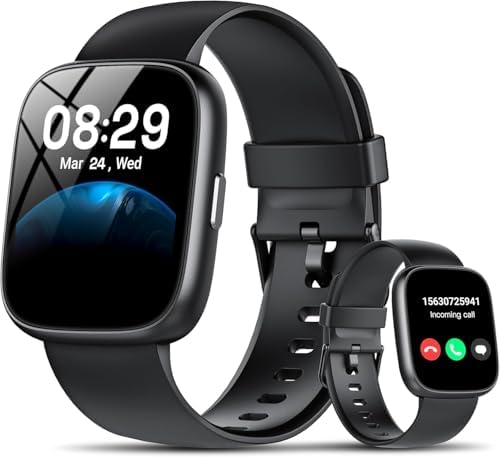
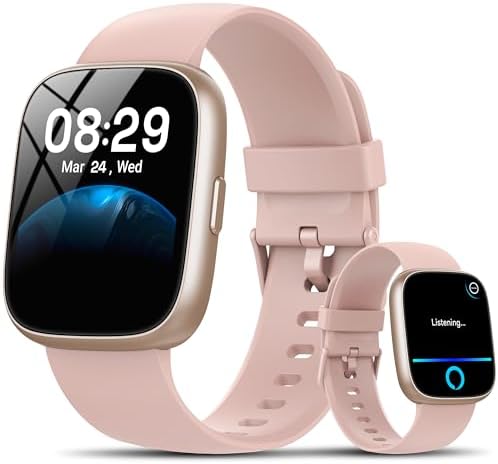
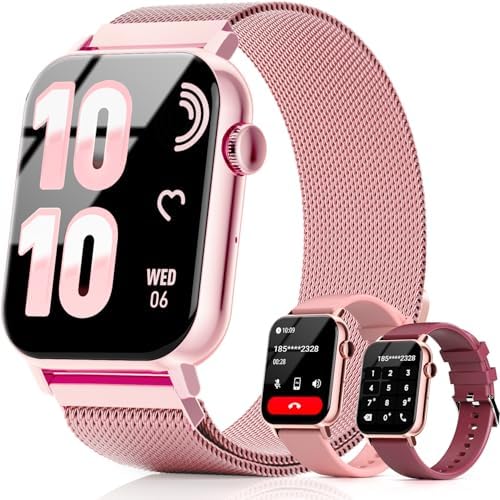
Customization options are crucial for users seeking personalization in their devices. Watch straps come in a variety of materials—such as silicone, leather, and metal—allowing wearers to match their watch with different outfits or occasions. Colors further contribute to customization; many brands offer a spectrum of hues, enabling individuals to express their unique style. Furthermore, smartwatch interfaces can often be tailored through various watch faces and themes, allowing users to modify the layout and information displayed based on their preferences.
In summary, the design and customization options of smartwatches are essential aspects that contribute to their marketability and user satisfaction. A smartwatch’s screen size, materials, and customizable elements can make a significant difference in user experience, enabling individuals to select devices that are not only functional but also align with their personal style. With the right design choices, users can make a statement while enjoying the features and technology that smartwatches offer.
Popular Smartwatch Brands and Models
The smartwatch market is teeming with various brands, each offering distinct features and targeting different demographics. Among the leading contenders, Apple, Samsung, Garmin, and Fitbit emerge as notable players, each with their flagship models that showcase unique capabilities.
Apple’s smartwatch line, epitomized by the Apple Watch Series, integrates seamlessly with the iOS ecosystem. Known for its sleek design, advanced health-tracking features, and a robust app ecosystem, the Apple Watch appeals primarily to tech-savvy consumers who already utilize Apple products. Its pricing is on the premium end, ranging from $399 to $749, depending on the model and features.
Samsung’s Galaxy Watch series presents a strong alternative for Android users, characterized by its compatibility with multiple operating systems, including iOS. The Galaxy Watch 5 and Watch 5 Pro are equipped with extensive fitness tracking features and a vibrant display. Samsung smartwatches generally range from $279 to $499, targeting a slightly broader demographic that values both style and functionality.
Garmin, on the other hand, caters predominantly to fitness enthusiasts and athletes. With models like the Garmin Forerunner and Fenix series, the brand emphasizes GPS capabilities, long battery life, and outdoor performance. Garmin smartwatches typically range from $199 to $899. This brand is ideal for individuals seeking in-depth performance analytics.
Fitbit remains a strong contender in the health-and-wellness space, with models such as the Fitbit Versa and Charge series focusing on fitness tracking and wellness insights. Priced affordably between $149 and $229, Fitbit attracts a more budget-conscious audience interested in basic tracking features without the frills.
In summary, when comparing popular smartwatch brands like Apple, Samsung, Garmin, and Fitbit, it’s evident that each offers unique models and features designed to meet the diverse needs of different consumers. Understanding these distinctions is paramount for making an informed purchase decision.
Considerations Before Buying a Smartwatch
When considering the purchase of a smartwatch, various factors come into play that can significantly influence your decision. First and foremost, it is important to establish a budget. Smartwatches are available in a wide range of prices, from basic models to high-end devices with advanced functionalities. Identifying a price range that suits your financial situation will help narrow down your options effectively.
Next, understanding the primary use of the smartwatch is crucial. Are you looking for a device to track fitness activities, receive notifications, or perhaps to utilize smart features like mobile payments? Fitness enthusiasts may prefer smartwatches with comprehensive health tracking features, such as heart rate monitors and GPS functionality. On the other hand, individuals primarily interested in notifications may prioritize models that integrate seamlessly with their smartphone.
Another significant consideration is the preferred features you desire in a smartwatch. Various models offer unique features, such as cellular connectivity, extensive app support, customizable watch faces, and long battery life. Evaluating these features in relation to your daily lifestyle can greatly enhance your user experience. It is also worth considering the compatibility with your smartphone; some smartwatches are designed to work exclusively with specific operating systems, and choosing a model compatible with your device is paramount.
Additionally, design and comfort should not be overlooked. Since a smartwatch is worn daily, selecting one that fits comfortably and matches your personal style can contribute to overall satisfaction. Lastly, consider the warranty and customer support options available with the smartwatch, as these can improve your ownership experience.
Conclusion and Future of Smartwatches
As we reflect on the evolution of smartwatches, it becomes clear that they have transitioned from mere accessories to indispensable tools in our daily lives. Key features such as fitness tracking, health monitoring, and seamless connectivity have transformed how individuals engage with technology. Not only do smartwatches provide convenience, but they also empower users to take command of their health and wellness. The merging of technology and health through wearables signifies a promising future with enhanced possibilities.
Looking ahead, we can anticipate some significant trends and advancements in the smartwatch market. One of the most exciting possibilities is the continued improvement in battery technology. Current smartwatches often require frequent charging, which can detract from their user experience. Innovations in battery design, such as employing new materials or developing more efficient power management systems, could extend battery life significantly, allowing for longer usage between charges.
Additionally, as app ecosystems grow and developers create more specialized applications, users can expect to see an increase in functionality. Future smartwatches may offer more advanced features, including enhanced health metrics and monitoring capabilities, such as blood glucose tracking or advanced sleep analysis. These improvements will not only appeal to tech enthusiasts but could also play a pivotal role in preventive healthcare.
Another crucial area to watch is the integration of AI and machine learning into smartwatch features. This technology can facilitate more personalized user experiences by adapting to individual preferences and behaviors. As artificial intelligence continues to evolve, it may soon become commonplace for smartwatches to offer tailored recommendations for exercise or stress management.
In conclusion, the future of smartwatches is ripe with potential. With ongoing advancements in technology, we can expect smarter, more capable devices that enhance both our connectivity and personal health management. As these innovations emerge, the smartwatch will undoubtedly solidify its position as an essential tool in modern life.